The Psychological Edge in Gambling
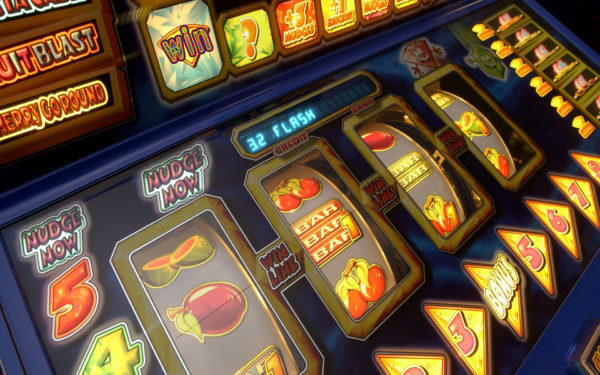
Understanding the psychology behind gambling can provide players with a significant advantage. Casinos are designed to appeal to our senses, utilizing bright lights, engaging sounds, and visually appealing layouts to create an immersive environment. This carefully crafted atmosphere can evoke emotions such as excitement and anticipation, encouraging players to stay longer and wager more. Many players find valuable information on betting websites that can enhance their strategies.
The way players perceive risk and reward also plays a crucial role in their gambling behavior. Cognitive biases, such as the illusion of control, can lead players to believe they have more influence over random outcomes than they actually do. Recognizing these biases is key for players who want to make informed decisions rather than be swayed by these psychological tricks.
Emotion and Decision-Making
Emotions greatly influence decision-making processes in gambling scenarios. For instance, players who are feeling lucky may take greater risks, leading to potentially larger losses or gains. On the other hand, negative emotions such as frustration or sadness can impair judgment, prompting players to chase losses or make irrational bets.
The interplay of emotions and decision-making highlights the importance of self-awareness for gamblers. By maintaining emotional control, players can make better choices and avoid impulsive actions that stem from a fleeting state of mind. This awareness can be honed through reflective practices and understanding one’s emotional triggers.
The Role of Rewards and Reinforcement
Rewards and reinforcement are central to the gambling experience, utilizing both immediate and delayed gratification. Slot machines, for example, often employ variable reward schedules, which can create a strong desire to keep playing. This unpredictability elicits a sense of hope and anticipation, compelling gamblers to continue investing time and money.
Understanding how reinforcement shapes behavior can be instrumental for players. By recognizing when these reward systems are influencing their actions, individuals can develop strategies to moderate their gambling habits. Setting limits and being mindful of reward patterns can enhance the overall gambling experience while minimizing negative consequences.
The Influence of Environment and Social Factors
The environment in which gambling takes place significantly affects behavior. Social influences, like peer pressure or the camaraderie of fellow gamblers, can alter a player’s approach and mindset. The presence of others can amplify emotions associated with winning and losing, further impacting decision-making.
Moreover, casinos often use psychological tactics to create a sense of community and belonging, enhancing the overall experience. Players are more likely to engage with others, leading to increased time spent gambling. Understanding how these environmental and social factors affect betting behavior can empower individuals to make more rational decisions in their gambling journeys.
Discovering Optimal Betting Experiences
In a landscape where psychological factors significantly influence gambling behavior, finding the right environment can enhance the overall experience. Platforms that focus on responsible gambling and provide resources for self-control can help players navigate their habits while enjoying their pastime. Players are encouraged to seek out such sites, ensuring they engage with environments that prioritize wellness alongside entertainment.
The exploration of psychological principles in gambling reveals the importance of awareness and strategy. By understanding the underlying psychological mechanisms at play, players can enhance their success and enjoy a more fulfilling gambling experience. Engaging with resources that prioritize safe betting practices can lead to a more sustained and enjoyable journey in the world of gambling.